1. Introduction
Facilities management (FM) is no longer just about keeping buildings operational—it is a strategic driver of efficiency, sustainability, and user experience. Rapid technological advances are transforming how organizations manage their assets, enabling smarter decision-making, proactive maintenance, and measurable operational excellence. At Olive Arabia, we leverage these innovations to deliver facilities management solutions that are future-ready, resilient, and aligned with organizational goals.
2. Reactive to Predictive: The Power of IoT and AI
The days of waiting for equipment to fail are over. IoT sensors embedded in building systems now provide real-time monitoring of occupancy, energy usage, HVAC performance, and environmental conditions. When combined with artificial intelligence and predictive analytics, this data enables facilities teams to:
- Identify potential failures before they happen
- Optimize energy and resource usage automatically
- Extend asset lifecycles and reduce operational costs
- Improve occupant comfort and safety
Across more than ten independent studies, predictive maintenance consistently delivers 20–40% maintenance cost reduction and 30–50% reduction in unplanned downtime.
Downtime reduction is measured by comparing 12–24 months of reactive maintenance records against post-implementation predictive alerts and intervention logs.
3. Integrated Digital Platforms: CAFM and CMMS
Modern Computer-Aided Facilities Management (CAFM) and Computerized Maintenance Management Systems (CMMS) serve as centralized control hubs. By consolidating asset data, work orders, compliance records, and performance metrics, these platforms enable:
- Complete asset lifecycle visibility
- Streamlined governance and audit compliance
- Automated reporting and decision-ready dashboards
- Seamless integration with mobile and cloud technologies
For large-scale portfolios, a unified digital platform ensures consistency, accountability, and operational efficiency across all sites.
4. Smart Buildings and Energy Optimization
Smart buildings combine IoT, AI, and automation to continuously optimize building performance. Key capabilities include:
- Dynamic HVAC and lighting control based on occupancy
- Real-time energy, water, and waste monitoring
- Environmental quality management for occupant wellbeing
These technologies reduce operating costs, improve sustainability, and enhance the user experience, aligning with global standards such as ISO 14001 and ISO 50001.
5. Digital Twins and BIM: Visualizing Performance in Real-Time
Digital twins create a virtual replica of a facility, integrating live operational data with design and asset information. When paired with Building Information Modelling (BIM), they provide a powerful planning and management tool:
- Simulate maintenance, upgrades, or energy interventions
- Optimize asset lifecycle planning
- Enhance collaboration between operations, design, and construction teams
- Minimize disruption while maximizing efficiency
Digital twins are fast becoming the gold standard for high-value and complex facilities, particularly in sectors requiring high reliability and precision.
6. Automation and Robotics: Redefining FM Operations
Automation is increasingly used to handle routine, high-volume, or high-risk tasks:
- Autonomous cleaning systems for high-traffic areas
- Security patrols and monitoring using robotics
- Remote inspections in hazardous or difficult-to-access areas
By automating repetitive work, FM teams can focus on strategic priorities, reduce risk, and maintain consistent service quality across all sites.
7. Sustainability and ESG Integration
Sustainability is now central to FM strategy. Advanced energy management, monitoring, and reporting systems enable organizations to:
- Track energy, water, and carbon emissions in real time
- Meet ESG commitments and regulatory compliance
- Reduce operational costs while achieving measurable environmental impact
Technology allows facilities managers to turn sustainability from a compliance requirement into a performance advantage, supporting both corporate responsibility and operational efficiency.
8. Connected Mobile Workforces
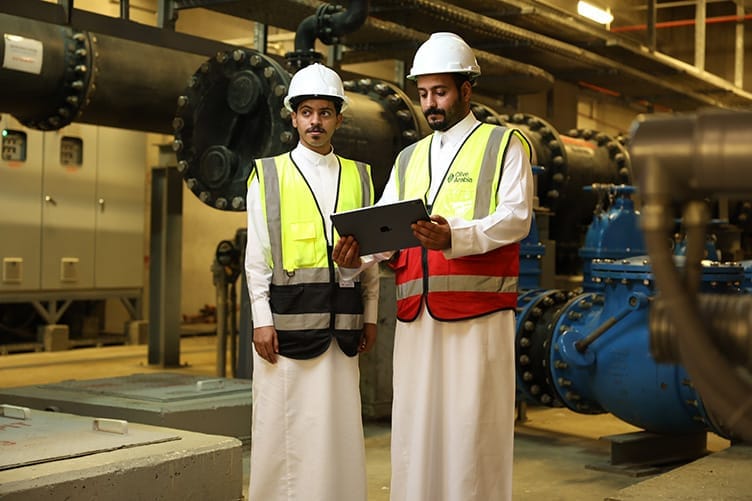
Mobile solutions and cloud platforms empower technicians and FM teams to work smarter, not harder:
- Access asset data and maintenance histories on the go
- Update work orders and compliance records in real time
- Improve communication, response times, and service transparency
Connected mobile teams allow organizations to scale operations efficiently, particularly across large or geographically dispersed portfolios.
Conclusion: Technology as a Strategic Enabler
The latest technologies are transforming facilities management from a reactive support function into a strategic enabler of organizational success. Organizations that integrate IoT, AI, digital twins, automation, and mobile platforms achieve:
- Increased operational efficiency
- Reduced costs and downtime
- Enhanced sustainability performance
- Improved occupant and stakeholder experience
At Olive Arabia, we combine deep industry expertise with technology-driven FM solutions to help clients optimize their facilities, reduce risk, and deliver measurable outcomes across their portfolios.
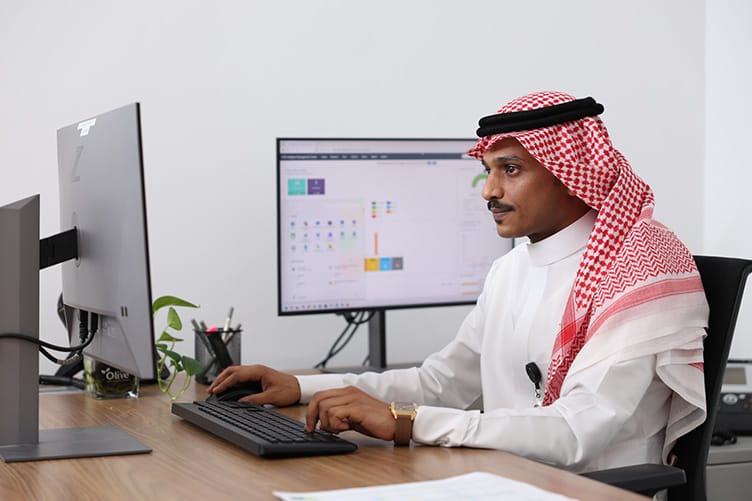
Our centralised software platform brings together key facility and workplace management functions that might otherwise be siloed across multiple systems. This comprehensive, data-driven platform underpins our integrated FM offerings by unifying maintenance, asset life-cycle planning, sustainability metrics and service delivery into one system — helping organisations manage complex facilities with greater visibility, efficiency and predictive insight.
If you would like to learn more about how digital technologies can enhance the performance, sustainability, and resilience of your facilities, our team would be pleased to share insights.
Contact Olive Arabia to explore how technology-enabled facilities management can support your operational and strategic objectives.