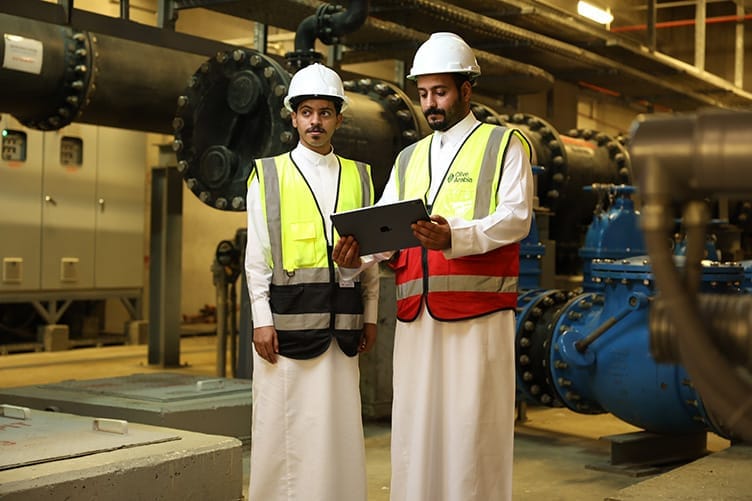
Environmental performance in Facilities Management (FM) refers to the systematic management and optimization of building operations to minimize environmental impacts across the facility lifecycle. This is achieved through the implementation of energy efficiency measures, water conservation strategies, and integrated waste management systems.
Environmental performance is a critical component of sustainability, as it reduces operational energy demand, lowers lifecycle costs, enhances asset value, and ensures compliance with recognized environmental and energy standards such as LEED and BREEAM.
In technical terms, it reflects the effectiveness of FM practices in optimizing resource efficiency, meeting regulatory and certification requirements, and utilizing performance monitoring, benchmarking, and continuous improvement processes to reduce a building’s overall environmental footprint.
In the past, organisations were considered environmentally responsible if they encouraged good housekeeping practices to reduce energy consumption. Today, efficient energy management is regarded as a basic requirement for new or refurbished facilities, supported by technologies that ensure its implementation.
The sustainability targets are underpinned by a holistic package of measures, incorporating sustainable design and materials, and a supply chain that demonstrates environmental goals and credentials consistent with those of the organisation.
Building energy performance for a facility is subject to legislative requirements in many countries, while others are in the process of introducing mandatory regulations. In Europe, for example, buildings above a specified floor area are required to undergo comparative energy performance assessments, and the most recent energy performance rating must be prominently displayed in publicly accessible spaces.
In the Gulf region in general, and Saudi Arabia in particular, the Saudi Energy Efficiency Programme (SEEP) mandates energy efficiency. This concept is increasingly critical as the country advances its Vision 2030 sustainability goals and expands regulations like the Saudi Energy Efficiency Programme (SEEP).
The (SEEP) influences energy efficiency standards for existing buildings by promoting the gradual upgrade and retrofitting of key building systems to reduce energy consumption. While the programme primarily enforces mandatory requirements for thermal insulation, efficient lighting, and high-performance HVAC systems in new constructions, it also affects existing buildings through compliance frameworks, energy labelling schemes, and retrofit guidelines.
Building owners are encouraged—or in some cases required during major renovations or system replacements—to improve envelope insulation, replace inefficient lighting with high-efficiency alternatives, and upgrade HVAC equipment to meet minimum energy performance standards. Through these measures, SEEP aims to enhance the energy performance of the existing building stock, reduce peak electricity demand, and support Saudi Arabia’s long-term sustainability and energy conservation goals.
At Olive Arabia, we have directly linked environmental performance to smart technology through data-driven control, automation, and optimization of building systems, which has enabled facilities to minimize resource consumption, reduce emissions, and continuously improve operational efficiency.
Our use of smart technologies has acted as enablers of environmental performance by transforming the delivery of facilities management services from reactive, schedule-based operation to proactive, data-driven, and performance-optimized systems, resulting in measurable reductions in energy consumption, water use, and greenhouse gas emissions
Over the past years we have consistently and systematically delivered FM services at optimal performance levels through efficient processes, skilled workforce management, technology integration, and continuous improvement. We have focused on maximizing asset reliability, minimizing downtime, optimizing resource utilization, and ensuring compliance with safety, quality, and environmental standards.
We have achieved operational excellence through standardizing our operating procedures, performance-based service delivery, data-driven decision-making, and proactive maintenance strategies, including predictive maintenance. By aligning FM operations with our client organizational objectives and international standards such as ISO 41001, ISO 14001, and ISO 50001, we have enhanced service quality, reduced lifecycle costs, and supports long-term sustainability of the built environment.